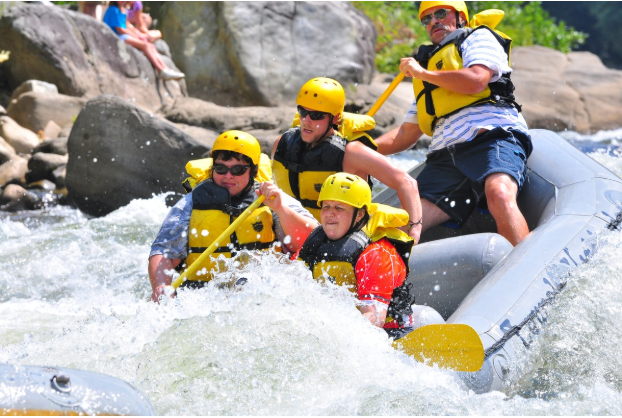
Water adventures promise thrill, freedom, and unforgettable memories. Whether you’re paddling through gentle lakes or crashing waves, the excitement can be addictive. But beneath the beauty lies potential danger. From minor injuries to serious accidents, water sports demand preparation, presence of mind, and respect for nature. Following safety guidelines is the key to keeping the fun alive while staying protected.
Understanding The Risks Before You Dive In
No two water bodies are the same. Calm waters can hide strong currents, and clear skies can turn stormy in minutes. Before stepping into any water activity, understanding the terrain and its unpredictability is essential. Risks aren’t always visible, so never assume it’s safe just because it looks peaceful. Local conditions, wildlife, and weather patterns all play a role in your safety.
Wearing The Right Gear For White Water River Rafting Trips
White Water River Rafting Trips involve navigating powerful currents, crashing waves, and rocky obstacles. These trips, often graded by difficulty levels, can be physically demanding and mentally intense. A properly fitted life jacket, helmet, and non-slip water shoes are non-negotiable for these adventures. The White Water River Rafting Trips require you to be dressed to survive—not just for comfort. The right gear reduces impact during collisions and keeps you buoyant in case you fall overboard.
Training And Teamwork Make River Rafting Trips Safer
River Rafting Trips are thrilling group adventures, usually guided by professionals through turbulent river routes. These river rafting trips often require synchronized paddling, quick reactions, and strong communication. Even if you’re a confident swimmer, training is crucial. Pre-trip briefings, dry runs, and paddle practice help you react better when the river tests your limits. Following your guide’s commands without hesitation ensures everyone’s safety on board. A fun trip quickly turns risky when coordination breaks down.
Listening To Your Instructors On White Water River Rafting Trips
During White Water River Rafting Trips, your instructor is your lifeline. From reading the river’s movement to predicting hazards ahead, they carry the experience you may not. Always stay close to your raft guide and never ignore their advice. These trips aren’t the time for improvisation. Each command—whether it’s “paddle left” or “lean in”—has a purpose. Hesitation or overconfidence can disrupt the raft’s balance and endanger the whole crew.
Weather Conditions Impact Every River Rafting Trip
Even the most seasoned adventurers respect weather forecasts. Rain can raise water levels and increase current speed, while strong winds make navigation harder. Before starting any river rafting trip, check the weather through reliable sources. Sudden storms can cause flash floods, especially in narrow gorges. Trip organizers usually cancel or delay under unsafe weather, and it’s smart to follow their lead. Rescheduling is far better than risking lives.
Knowing Your Limits Enhances Safety
Not every sport is for every skill level. It’s okay to sit out if you’re unsure or uncomfortable. Fatigue, anxiety, or unfamiliar environments can cloud judgment. Don’t push yourself into advanced-level rapids if you’ve never rafted before. Stick to beginner-friendly areas and gradually work your way up. It’s not about how extreme the adventure is—it’s about enjoying it confidently and safely.
Conclusion
Adventure should never come at the cost of safety. Whether you’re joining your first river rafting trip or you’re deep into white water challenges, knowing the basics can make all the difference. Prepare thoroughly, trust your guide, respect nature’s power, and listen to your instincts. When done right, water sports offer not only exhilaration but also unforgettable memories that you’ll want to relive again and again—safely.

