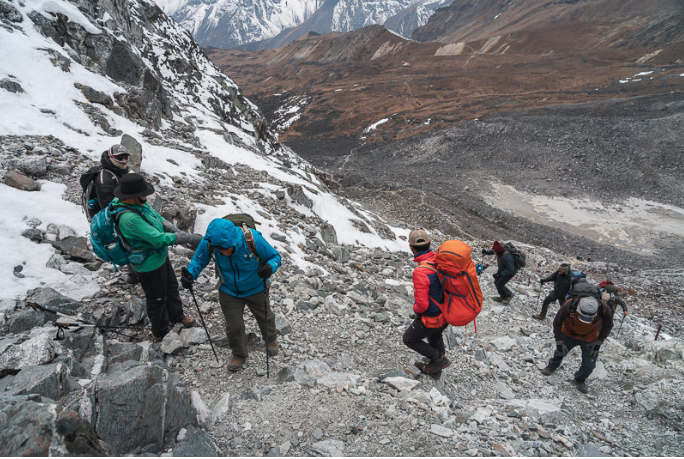
Everest Three Passes Trekking is one of the most challenging and rewarding adventures in Nepal’s Khumbu region. Designed for experienced trekkers who want to explore beyond the standard Everest Base Camp route, this journey crosses three spectacular high mountain passes: Renjo La, Cho La, and Kongma La. Along the way, trekkers experience breathtaking Himalayan scenery, remote valleys, traditional Sherpa villages, ancient monasteries, and unforgettable views of Mount Everest.
The Everest High Passes Trek combines the highlights of the Everest region with the excitement of crossing high-altitude mountain passes. It requires good physical preparation and careful acclimatization, but the rewards are spectacular.
Why Choose the Everest High Passes Trek?
The Everest High Passes Trek is ideal for adventurous travelers who want a more complete experience of the Khumbu region. Instead of following only the traditional route to Everest Base Camp, this trek takes you through remote valleys and less-traveled mountain trails.
The landscape changes dramatically throughout the journey. Lower sections feature pine and rhododendron forests, rushing rivers, and traditional villages. Higher areas reveal glaciers, rocky valleys, frozen lakes, and enormous snow-covered peaks.
Trekkers can also experience the unique culture of the Sherpa people. Buddhist monasteries, prayer wheels, colorful prayer flags, and mani stones can be found throughout the region.
Renjo La Pass
Renjo La is often the first major pass encountered on the three-pass route, depending on the itinerary. At an elevation of around 5,360 meters, crossing the pass requires effort and proper acclimatization.
The climb can be demanding, particularly because of the altitude, but reaching the top provides spectacular panoramic views. On clear days, trekkers can see Mount Everest, Lhotse, Makalu, and other impressive Himalayan peaks.
The surrounding landscape feels remote and wild, providing a strong sense of adventure that distinguishes this route from more crowded trekking trails.
Cho La Pass
The second major challenge is Cho La Pass, which rises to approximately 5,420 meters. The trail toward Cho La takes trekkers through rugged terrain and increasingly dramatic mountain scenery.
Depending on the season and conditions, sections near the pass can involve snow and ice, making careful footing and appropriate equipment important. Crossing the pass is physically demanding, but the scenery makes the effort worthwhile.
After crossing Cho La, trekkers continue toward the Everest Base Camp area and can experience the famous Khumbu landscape from a different perspective.
Kongma La Pass
Kongma La is generally regarded as one of the most demanding sections of Everest Three Passes Trekking. At approximately 5,535 meters, it is the highest of the three passes.
The route involves a steep ascent and challenging high-altitude terrain. However, reaching the top offers magnificent views of surrounding peaks and glaciers.
The experience of standing at Kongma La after a demanding climb is a major achievement for trekkers. It also provides a deeper appreciation of the scale and ruggedness of the Himalayan environment.
Everest Base Camp and Kala Patthar
Although the three high passes are the main attractions, many itineraries also include Everest Base Camp and Kala Patthar. These destinations add another unforgettable dimension to the journey.
Everest Base Camp sits at approximately 5,364 meters and is surrounded by the spectacular Khumbu Glacier and enormous Himalayan peaks. Reaching the base camp provides a strong sense of achievement.
Kala Patthar is famous for its panoramic views of Mount Everest and surrounding mountains. Sunrise from the viewpoint can be particularly spectacular, with the first light illuminating the Himalayan peaks.
Sherpa Culture and Mountain Villages
One of the most rewarding aspects of Everest High Passes Trek is the opportunity to experience Sherpa culture. Villages such as Namche Bazaar, Thame, and the settlements of the upper Khumbu provide insight into traditional Himalayan life.
Namche Bazaar is an important acclimatization and trading center. It is also a great place to interact with local people and fellow trekkers.
Throughout the journey, Buddhist monasteries and religious landmarks reflect the spiritual importance of the mountains to local communities.
Best Time for Everest Three Passes Trekking
Spring and autumn are generally considered the most suitable seasons for Everest Three Passes Trekking. Spring, from March to May, offers relatively favorable conditions and pleasant temperatures in the lower areas.
Autumn, from September to November, is also highly popular because skies are often clearer following the monsoon season. This can provide excellent mountain visibility.
Winter can bring heavy snow and extremely cold temperatures around the passes, while the summer monsoon can create wet trails, clouds, and unpredictable conditions. Trekkers should carefully consider seasonal conditions before planning the journey.
Difficulty and Preparation
The Everest High Passes Trek is a strenuous high-altitude adventure and is generally more demanding than the standard Everest Base Camp Trek. Trekkers should have good physical fitness and previous experience with long-distance or high-altitude hiking is highly beneficial.
Training before the trek can include regular hiking, long walks, stair climbing, and cardiovascular exercises. Building endurance and leg strength can make steep ascents and long trekking days easier.
Acclimatization is equally important. A well-designed itinerary should include rest and acclimatization days. Trekkers should maintain a slow pace, stay hydrated, eat properly, and pay attention to their body’s response to altitude.
Essential Equipment
Proper equipment is essential when crossing high Himalayan passes. Good trekking boots, warm insulated layers, waterproof clothing, gloves, a warm hat, and quality hiking trousers are important.
Other useful equipment includes a sleeping bag suitable for cold conditions, sunglasses, sunscreen, trekking poles, a headlamp, water bottles, personal medication, and basic first-aid supplies.
Because weather can change quickly at high elevations, preparation for cold, wind, snow, and changing trail conditions is essential.
Conclusion
Everest Three Passes Trekking is an extraordinary Himalayan adventure for trekkers who want to explore the Everest region beyond the traditional routes. Crossing Renjo La, Cho La, and Kongma La provides a genuine sense of achievement while offering spectacular views of Mount Everest and the surrounding Himalayan peaks.
From remote valleys and Sherpa villages to glaciers, monasteries, high mountain passes, and Everest Base Camp, the journey is filled with unforgettable experiences. With strong preparation, proper acclimatization, suitable equipment, and careful planning, the Everest High Passes Trek can become one of the most rewarding adventures in Nepal.

