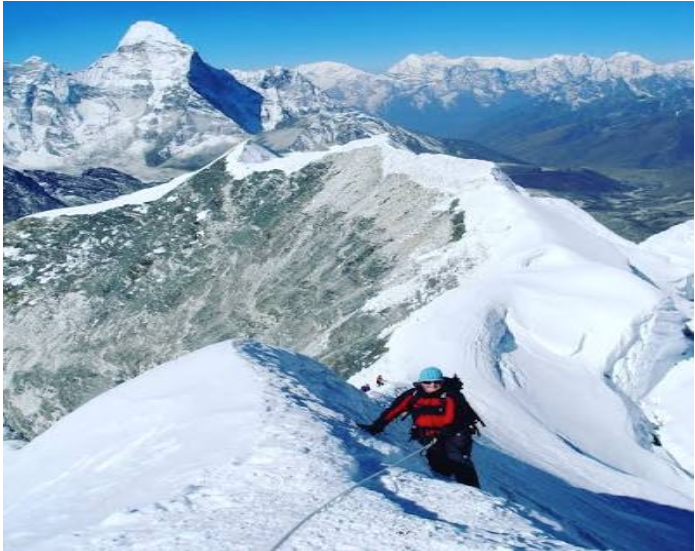
Nepal is a dream destination for mountain lovers, offering some of the most exciting climbing experiences in the world. Among the many peaks open to climbers, Island Peak Climbing and Mera Peak Climbing are two popular choices for adventurers who want to experience Himalayan mountaineering without committing to one of Nepal’s highest and most technically demanding expeditions.
Both peaks offer spectacular mountain scenery, high-altitude adventure, and the opportunity to learn and use basic mountaineering skills. However, they provide different experiences. Island Peak is known for its more technical climbing sections, while Mera Peak is famous for its altitude, long summit route, and magnificent panoramic views.
Island Peak Climbing: An Exciting Introduction to Himalayan Mountaineering
Island Peak, also known as Imja Tse, rises to approximately 6,189 meters in the Everest region. Its location near the famous Everest Base Camp trekking route makes it particularly attractive to climbers who want to combine a Himalayan trek with a genuine climbing experience.
The journey usually begins with the classic approach through the Khumbu Valley. Trekkers pass through famous Sherpa settlements such as Namche Bazaar and continue toward the higher valleys, experiencing remarkable views of Everest, Lhotse, Ama Dablam, and other surrounding peaks.
As the expedition progresses, climbers receive preparation for the technical sections of the ascent. Depending on the conditions and climbing program, equipment such as crampons, harnesses, ropes, and an ice axe may be required.
One of the most rewarding aspects of Island Peak is reaching the summit ridge and seeing the dramatic Himalayan panorama from a high-altitude position. The combination of trekking, acclimatization, glacier travel, and climbing makes the experience memorable for adventure seekers.
Key Points of Island Peak Climbing
- Location: Everest region, Nepal
- Height: Approximately 6,189 meters
- Also known as: Imja Tse
- Difficulty: Challenging
- Main attraction: A combination of trekking and technical mountaineering
- Scenery: Everest, Lhotse, Ama Dablam, Nuptse, and surrounding Himalayan peaks
- Skills: Crampon, rope, ice-axe, and basic climbing techniques may be required
- Best suited for: Adventurous trekkers and aspiring mountaineers with appropriate preparation
Mera Peak Climbing: A High-Altitude Himalayan Challenge
Mera Peak is one of Nepal’s best-known trekking peaks and stands at around 6,476 meters. It is located in the remote Hinku Valley of the Makalu-Barun region, offering a quieter alternative to the busier Everest approaches.
The journey toward Mera Peak takes climbers through beautiful forests, traditional mountain communities, alpine landscapes, and increasingly rugged terrain. The remote character of the route is an important part of its appeal.
Mera Peak is often considered a suitable choice for people with previous trekking experience who want to progress toward mountaineering. Although the standard route is generally less technically demanding than some other Himalayan climbing peaks, its high elevation makes the expedition physically demanding.
The summit day is usually the biggest challenge. Climbers need to begin early and be prepared for a long ascent in cold and high-altitude conditions. From the summit, the views are exceptional, with some of the most impressive peaks of eastern Nepal visible across the horizon.
Key Points of Mera Peak Climbing
- Location: Hinku Valley, eastern Nepal
- Height: Approximately 6,476 meters
- Difficulty: Challenging, particularly because of altitude
- Main attraction: High-altitude summit with extensive Himalayan views
- Landscape: Forests, alpine valleys, glaciers, and rugged mountain terrain
- Skills: Basic mountaineering and glacier-travel skills are important
- Best suited for: Experienced trekkers and aspiring climbers
- Special feature: A quieter and more remote approach compared with the main Everest trekking corridor
Island Peak vs. Mera Peak
Although both peaks are popular among adventure travelers, the nature of the two climbs is different.
Island Peak generally offers a more technical climbing experience. Its summit route can involve steeper climbing sections and glacier-related challenges, making familiarity with mountaineering equipment especially valuable.
Mera Peak, meanwhile, is higher and presents a greater challenge in terms of altitude and endurance. The route is often less technical under normal conditions, but climbers still need strong physical preparation and proper acclimatization.
Choosing between them depends on a climber’s experience, fitness, objectives, and interest in technical climbing. Some mountaineers eventually choose to climb both peaks as part of their progression toward more demanding Himalayan expeditions.
Best Time for Climbing
Spring and autumn are generally the preferred seasons for Himalayan climbing in Nepal. These periods can offer better weather, clearer mountain views, and more favorable conditions for high-altitude travel.
Spring usually provides relatively stable climbing conditions, while autumn follows the monsoon season and often brings clear skies and excellent visibility. Winter conditions can be extremely cold, particularly at higher elevations, while monsoon weather can create rain, cloud, and difficult trail conditions at lower elevations.
Mountain conditions can change quickly, so climbers should always follow current guidance from experienced guides and expedition operators.
Preparation and Acclimatization
Preparation is one of the most important parts of any high-altitude climbing expedition. Climbers should develop cardiovascular fitness, leg strength, endurance, and the ability to walk for long periods while carrying a pack.
Technical preparation is also important. Depending on the route and conditions, climbers may need to use crampons, an ice axe, ropes, harnesses, and other mountaineering equipment. Proper instruction and supervised practice are recommended before attempting technical sections.
Acclimatization should never be rushed. A well-designed itinerary includes gradual altitude gains and appropriate rest periods so the body can adjust to the changing environment.
Why Choose These Himalayan Peaks?
Island Peak and Mera Peak provide an excellent opportunity to experience the realities of Himalayan mountaineering on a smaller scale than major expedition peaks. They combine trekking through spectacular landscapes with the excitement of reaching a high summit.
For climbers, the experience is not only about standing on the summit. The journey teaches patience, preparation, teamwork, and respect for the mountain environment. Weather changes, altitude, cold, and physical fatigue can all become part of the adventure.
Responsible Mountaineering
The Himalayan environment is fragile, particularly around high-altitude camps and glaciers. Climbers should minimize waste, follow established routes, respect local communities, and leave campsites as clean as possible.
Respect for Sherpa and other local communities is equally important. Guides, porters, climbing staff, and local businesses play a major role in supporting Himalayan expeditions, and responsible travelers should value their knowledge and contribution.
Conclusion
Island Peak Climbing and Mera Peak Climbing offer two unforgettable ways to experience Nepal’s high mountains. Island Peak is an excellent option for adventurers interested in a more technical climbing experience in the Everest region, while Mera Peak provides a demanding high-altitude adventure through the quieter landscapes of eastern Nepal.
Both require serious preparation, proper acclimatization, suitable equipment, and experienced support. With the right planning and respect for the mountain environment, reaching either summit can become a rewarding milestone in a climber’s Himalayan journey.

