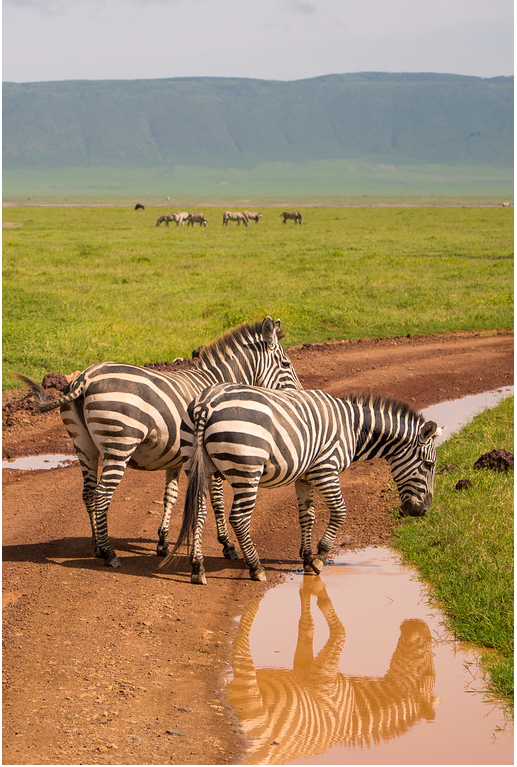
Tanzania holds some of the richest wildlife populations on the continent, and a luxury wildlife safari Tanzania lets you meet them on your own terms. Imagine tracking a leopard at first light with a guide who knows its habits, then returning to a canvas suite with a hot breakfast waiting. Or watching elephants cross a river from your private deck, a cold drink in hand, while the evening light turns the water gold.
This guide focuses on the animals themselves. It explains which species you can expect to see, which parks are best for each, how luxury camps improve your chances of great sightings, and how to plan a high-end trip built around wildlife.
Why a Luxury Approach Improves Wildlife Viewing
Comfort is only part of the appeal. The way a luxury safari is structured often leads to better animal encounters.
Prime camp locations. Top camps sit in private concessions or on key wildlife corridors, so animals pass through, sometimes right through the camp itself.
Expert guides and trackers. Highly trained guides read tracks, alarm calls, and behavior, which turns a drive from a search into a story.
Flexible schedules. With a private vehicle, you can stay at a sighting for as long as you like, leave early for a kill, or skip a crowded spot.
Fewer vehicles. Remote concessions limit the number of vehicles at a sighting, which keeps animals relaxed and photographs cleaner.
Varied activities. Walking safaris, night drives, and boat trips, which are allowed in certain areas, reveal species and behaviors that standard daytime drives miss.
The Wildlife You Can Expect to See
The Big Five
All five of Africa’s most famous animals live in Tanzania.
- Lion: Prides are found across the Serengeti, Ngorongoro Crater, and Ruaha. Tree-climbing lions are sometimes seen in Lake Manyara.
- Leopard: Elusive but seen regularly along the rivers of the central Serengeti, particularly in the Seronera area.
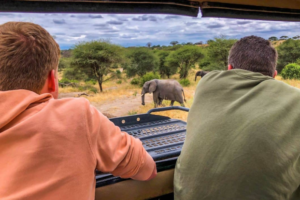
- Elephant: Tarangire is renowned for large herds, and Ruaha and Nyerere hold substantial populations.
- Buffalo: Widespread across most parks, often in large herds.
- Black rhino: Rare and endangered, but Ngorongoro Crater offers some of the best chances to see one in East Africa.
Other Highlights
- Cheetah: Open plains in the Serengeti suit this sprinter, and calving season in the south brings plenty of prey.
- African wild dog: One of Africa’s most endangered predators, and Nyerere and Ruaha are among the better places to look for them.
- Giraffe, zebra, and hippo: Common and reliable in many parks.
- Spotted hyena and jackal: Often active around dawn, dusk, and night.
- Chimpanzees: Mahale Mountains and Gombe offer primate trekking in a very different setting.
- Birdlife: Tanzania records well over a thousand bird species, from flamingos at Lake Manyara to eagles, bee-eaters, and the striking secretary bird.
Best Parks for Wildlife and What Each Does Best
Serengeti National Park: Big Cats and the Migration
The Serengeti is the headline destination for good reason. Lions, leopards, and cheetahs are all regularly seen, and the Great Wildebeest Migration passes through in a year-round cycle. Calving in the south from roughly January to March and river crossings in the north from about July to October are two of the great spectacles of the animal world.
Ngorongoro Crater: Density and Rhinos
The crater floor concentrates a remarkable amount of wildlife in a small area. Lions, hyenas, buffalo, and elephants share the grasslands, and black rhinos make this one of the best places for a possible sighting. Go early, because vehicle numbers are limited per day and the morning light is best.
Tarangire: Elephants and Baobabs
During the dry season, from roughly June to October, animals gather along the Tarangire River. Large elephant herds, giraffes, and dozens of other species make this a rewarding place for photography.
Nyerere National Park: Water-Based Wildlife
Boat safaris here bring you close to hippos, crocodiles, and a wide variety of waterbirds. Walking safaris offer a different perspective on smaller animals and tracks, and wild dogs are a particular draw.
Ruaha National Park: Predators and Wilderness
Ruaha is remote and rugged. It has strong lion numbers, and species such as greater kudu and sable antelope are easier to find here than in the north. With few visitors, sightings feel private.
Mahale Mountains: Primates
For a once-in-a-lifetime encounter with wild chimpanzees, the lakeside camps at Mahale combine forest trekking with beach relaxation on Lake Tanganyika.
Best Time for a Luxury Wildlife Safari in Tanzania
Different seasons favor different wildlife.
June to October (dry season). Water is scarce, so animals concentrate near rivers and waterholes. Visibility is good and the weather is pleasant. This is also the best period for Mara River crossings in the northern Serengeti.
January to March (calving season). Large numbers of wildebeest calves arrive in the southern Serengeti, and predators are especially active.
November to December (short rains). Fewer visitors, green landscapes, and migratory birds make this a good option for photographers and birders.
April to May (long rains). Rain is frequent, and some camps close, but those that stay open can offer quiet landscapes and reduced rates.
Signature Luxury Wildlife Experiences
- Private-guide safaris: A dedicated guide and vehicle allow you to set the pace and focus on the animals you most want to see.
- Walking safaris: In permitted areas, a ranger leads you on foot, making you notice tracks, insects, and plants.
- Hot-air balloon flights: A sunrise flight over the Serengeti gives a unique view of herds and predators from above.
- Night drives: Offered in certain private areas, these reveal nocturnal species such as bushbabies, genets, and aardvark.
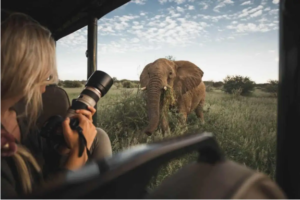
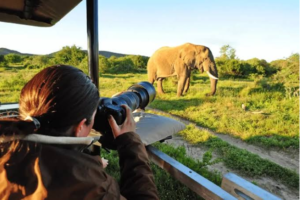
- Photographic safaris: Specialist guides understand light and animal behavior, and vehicles can be adapted for camera gear.
- Bush breakfasts and sundowners: Meals served in the wild add atmosphere without disturbing the animals.
- Conservation visits: Some camps invite guests to learn about anti-poaching, research, and community projects.
Choosing the Right Luxury Camp or Lodge
Selecting the right base is crucial for wildlife viewing.
- Check the location. Ask about the camp’s position relative to migration routes, rivers, and predator territories.
- Ask about the concession. Private or exclusive areas typically allow more activities and fewer vehicles.
- Consider the guiding team. Strong guides make a big difference to your experience.
- Look at the camp’s size. Smaller camps tend to offer a quieter, more personal atmosphere.
- Review sustainability practices. Responsible camps use solar power, manage waste, and employ local staff.
Practical Tips for Your Trip
- Book early. The best camps are small and fill up quickly, especially from July to September.
- Plan at least seven days. This gives time to visit two or three parks without rushing.
- Pack well. Bring neutral clothing, layers for cool mornings, binoculars, and a camera with a zoom lens.
- Check entry and health requirements. Confirm visa rules, malaria precautions, and any yellow fever certificate requirements well in advance.
- Respect the wildlife. Keep your voice low, stay inside the vehicle unless told otherwise, and never feed or approach animals.
- Be flexible. Wildlife is unpredictable, and the best sightings often come from patience and good guiding.
Conclusion
A luxury wildlife safari Tanzania pairs exceptional animal encounters with the comfort and privacy that make them easier to enjoy. From the big cats of the Serengeti to the rhinos of Ngorongoro, the elephants of Tarangire, and the wild dogs of the south, the country offers an unmatched variety of species in beautiful settings. Match your dates to the wildlife you most want to see, choose camps with strong locations and guides, and give yourself enough time to explore more than one region. With careful planning, you will return home with photographs, stories, and a deeper appreciation for the wild places that remain.
Key Takeaways
- Luxury safaris improve wildlife viewing through prime camp locations, expert guides, private vehicles, and fewer crowds.
- All of the Big Five can be seen in Tanzania, with Ngorongoro Crater offering some of the best rhino chances.
- Each park has its strengths: the Serengeti for big cats and the migration, Tarangire for elephants, Nyerere for water-based wildlife, and Ruaha for predators.
- June to October is best for dry-season viewing, while January to March suits calving and predator action.
- Walking safaris, night drives, and balloon flights add variety beyond standard game drives.
- Book early, plan at least seven days, and pick camps by location and guide quality.
Frequently Asked Questions
- What animals can I see on a luxury wildlife safari in Tanzania? You can see all of the Big Five, along with cheetahs, giraffes, zebras, hippos, hyenas, wild dogs, and hundreds of bird species. Chimpanzees can be seen in the western parks.
- Where is the best place to see big cats? The Serengeti is the top choice for lions, leopards, and cheetahs, while Ruaha is excellent for lions in a quieter setting.
- Can I see black rhinos in Tanzania? Ngorongoro Crater is one of the best places in East Africa to see black rhinos, although sightings are never guaranteed because the animals are rare and often distant.
- When is the best time for wildlife viewing? June to October is popular for dry-season viewing and river crossings, and January to March is excellent for calving season and predator activity.
- Is a luxury safari better for wildlife photography? Often yes. Private vehicles, expert guides, flexible schedules, and fewer crowds help you get better positioning and more time at each sighting.
- How many days do I need? Seven days is a good minimum for two or three parks. Ten days or more allows deeper exploration or a combination of northern and southern parks.
- Are walking safaris safe? When led by a qualified, armed ranger in approved areas, walking safaris follow strict safety protocols. Always follow your guide’s instructions.
- Can I combine a wildlife safari with a beach stay? Yes. Many travelers end their trip in Zanzibar, which has regular flights from the mainland.
- Do I need vaccinations or malaria medication? Malaria is present in much of Tanzania, and a yellow fever certificate may be needed depending on your route. Consult a travel health professional several weeks before departure.
- How can I make my safari more responsible? Choose operators that support conservation, employ local staff, minimize waste, and contribute to community projects, and follow park rules on wildlife distance.

