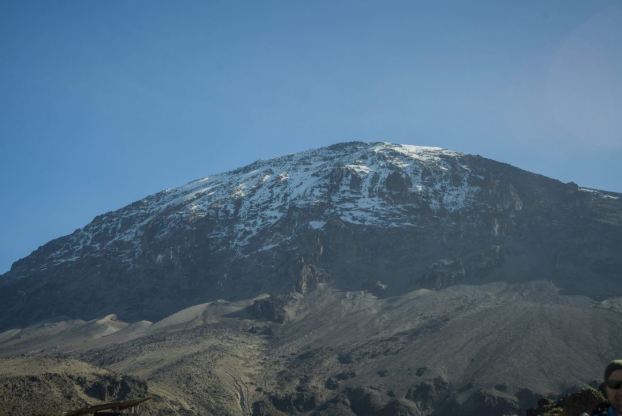
Rising from the plains of northern Tanzania, Mount Kilimanjaro dominates the horizon like nothing else in Africa. At 5,895 meters (19,341 feet), it is the continent’s highest point and the tallest free-standing mountain in the world. Unlike the peaks of the Himalaya or the Alps, it does not belong to a range. It simply stands alone, a huge volcanic mass surrounded by savannah, with a summit that can carry snow within sight of the equator.
What makes Kilimanjaro so appealing is its accessibility. It is a non-technical climb, which means that with proper preparation, a good guide team and enough time to acclimatize, a fit and determined hiker can reach the top without mountaineering experience. This guide covers the mountain’s geography, the main routes, the best times to climb, the realities of altitude, and the practical steps for planning your ascent.
Understanding Kilimanjaro: A Mountain of Three Volcanoes
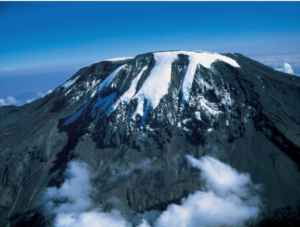
Kilimanjaro is made up of three volcanic cones: Kibo, Mawenzi and Shira. Shira and Mawenzi are extinct, while Kibo, the highest, is dormant. Uhuru Peak, the summit that trekkers aim for, sits on the rim of Kibo’s crater.
The mountain lies within Kilimanjaro National Park, which was designated a UNESCO World Heritage Site in 1987. The park protects not only the mountain itself but also the forest belt that surrounds it, an important water source for the region.
Five Climate Zones in One Climb
One of the most striking features of a Kilimanjaro trek is how many ecosystems you pass through. Climbing from base to summit is often compared to traveling from the equator to the Arctic in a single week.
- Cultivation zone (to about 1,800 m): Farmland and villages at the base, where coffee and banana crops grow.
- Rainforest (about 1,800 to 2,800 m): Lush, humid and alive with birds, colobus monkeys and giant ferns.
- Heath and moorland (about 2,800 to 4,000 m): Open landscape with giant heather and the odd-looking giant groundsel.
- Alpine desert (about 4,000 to 5,000 m): Dry, rocky and stark, with big temperature swings.
- Arctic summit (above 5,000 m): Thin air, bitter cold and a lunar landscape of ice and rock.
These shifts make the trek visually dramatic, and they also mean you need to pack for everything from tropical humidity to freezing summit nights.
Choosing Your Route
Several established routes lead to the summit. Each has its own character, scenery and success profile.
Machame Route
Known as the “Whiskey” route, Machame is one of the most popular choices. It follows a “climb high, sleep low” pattern, which supports acclimatization, and it passes through varied scenery, including the Barranco Wall. It is typically done over six or seven days and involves camping.
Lemosho Route
Many guides consider Lemosho one of the best routes for both scenery and acclimatization. It begins on the quiet western side, crosses the Shira Plateau and joins the Machame trail later. A seven- or eight-day itinerary gives your body ample time to adjust, which is a major factor in summit success.
Marangu Route
Often called the “Coca-Cola” route, Marangu is the only route with sleeping huts rather than tents. It is the most direct line to the summit, but the shorter, steeper profile and faster ascent mean lower success rates for many trekkers, especially on five-day schedules.
Rongai Route
Rongai approaches from the north, near the Kenyan border. It is a gentler, drier route that suits those who want fewer crowds and are climbing in rainier months. The scenery is different from the southern routes, with a wilder, more remote feel.
Northern Circuit
The longest route, usually nine to ten days, circles the mountain’s northern slopes before the summit push. It has excellent acclimatization and low traffic, but it requires more time and budget.
Umbwe Route
Umbwe is short, steep and challenging. It is generally recommended only for experienced, well-acclimatized trekkers because of its rapid altitude gain.
Key principle: more days almost always mean better odds. A longer itinerary gives your body time to adapt, which is the single biggest factor in reaching the summit.
The Best Time to Climb Kilimanjaro
Kilimanjaro can be climbed year-round, but weather varies significantly.
- January to mid-March: Warm, relatively dry and good for clear summit views. A popular secondary window.
- June to October: The main dry season, with stable weather and generally clear skies. This is the busiest time, particularly July through September.
- April to May: The long rains, with heavy cloud, wet trails and fewer climbers. Possible, but more challenging.
- November: The short rains, with variable weather.
Full moon summit nights are popular because moonlight illuminates the trail and the glaciers, though they can also draw more climbers.
Altitude: The Real Challenge
The biggest obstacle on Kilimanjaro is not technical difficulty but altitude. At the summit, oxygen levels are roughly half those at sea level. Altitude sickness can affect anyone regardless of age or fitness.
Common symptoms include headache, nausea, dizziness, poor sleep and loss of appetite. More serious conditions, such as high-altitude pulmonary or cerebral edema, are rare but dangerous and require immediate descent.
The best strategies are simple:
- Go slowly. The Swahili phrase “pole pole” (slowly, slowly) is the guide’s mantra for good reason.
- Choose a longer route to allow gradual acclimatization.
- Stay hydrated and eat even when your appetite fades.
- Listen to your guides, who monitor your oxygen saturation and health daily.
- Discuss medication such as acetazolamide with a doctor before you travel.
Never ignore worsening symptoms. Turning back is not failure. It is how climbers stay safe.
Physical Preparation
You do not need to be an elite athlete, but good fitness helps enormously. Aim to build cardiovascular endurance with hiking, running, cycling or stair climbing in the months before your trip. Practice hiking with a loaded daypack on varied terrain, ideally on consecutive days to mimic multi-day fatigue. Break in your boots well before departure, and train with the clothing and gear you plan to use.
Mental preparation matters too. Summit night is cold, dark and demanding, and persistence counts as much as strength.
Essential Gear
A packing list for Kilimanjaro should cover a wide temperature range. Key items include:
- Broken-in waterproof hiking boots and warm socks
- Layered clothing: base layers, fleece, insulated jacket and waterproof shell
- A warm hat, gloves, buff and sun hat
- A four-season sleeping bag rated for low temperatures
- Trekking poles
- A headlamp with spare batteries
- Sunglasses, sunscreen and lip balm with SPF
- A water bladder or bottles, plus purification supplies if advised
- A personal first aid kit
Many operators rent items such as sleeping bags and poles, which saves on baggage.
Responsible Trekking and Porter Welfare
Every Kilimanjaro climb is supported by a team of guides, cooks and porters who carry equipment, food and camping supplies. How these crews are treated varies between operators. Choose a company that pays fair wages, limits the weight porters carry, provides proper clothing and food, and is transparent about tipping. Look for operators associated with ethical-trekking initiatives, and budget for tips, which form a meaningful part of crew income.
Practice Leave No Trace principles by packing out waste, staying on the trail and respecting the mountain’s fragile environment.
Planning Your Kilimanjaro Trip
- Book a reputable, licensed operator. Guides are mandatory on the mountain, and operator quality affects safety, comfort and success.
- Check what is included: park fees, camping or hut fees, meals, guides, porters, transfers and equipment.
- Allow extra days in Tanzania for arrival, acclimatization and recovery.
- Consider a safari add-on. Many climbers pair Kilimanjaro with the Serengeti, Ngorongoro Crater or a Zanzibar beach stay.
- Confirm entry rules. Check visa, vaccination and insurance requirements well before departure, and make sure your travel insurance covers high-altitude trekking and evacuation.
- Fly into Kilimanjaro International Airport (JRO), which is close to Moshi and Arusha, the main trekking bases.
Conclusion
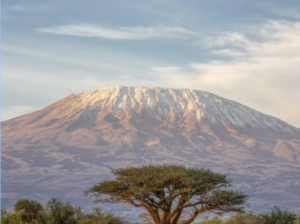
Mount Kilimanjaro offers something rare: a true high-altitude adventure that is open to ordinary people willing to prepare and respect the mountain. Its five climate zones, its dramatic summit and its status as Africa’s roof make it a bucket-list objective for travelers around the world. The keys to success are straightforward. Choose a longer route, take it slowly, train properly, pack carefully, and climb with an ethical, experienced operator. Do that, and standing at Uhuru Peak as the sun rises over the African plains becomes a realistic goal, and an unforgettable one.
Key Takeaways
- Kilimanjaro stands at 5,895 m, making it Africa’s highest peak and the world’s tallest free-standing mountain.
- It is a non-technical trek, but altitude is the main challenge.
- Longer routes like Lemosho and the Northern Circuit offer better acclimatization and higher success rates.
- The best climbing windows are January to March and June to October.
- Climbers pass through five distinct climate zones on the way to the summit.
- Choose operators with fair porter treatment, strong safety standards and transparent pricing.
- Pair your climb with a safari or beach stay for a complete Tanzania trip.
Frequently Asked Questions
- How high is Mount Kilimanjaro?
Uhuru Peak, the summit, is 5,895 meters (19,341 feet) above sea level. - Do I need climbing experience?
No technical climbing skills are needed. Good fitness, proper preparation and sensible acclimatization are what matter. - How many days does it take to climb Kilimanjaro?
Most itineraries run from five to nine days. Seven or eight days are often recommended for better acclimatization and a higher chance of reaching the summit. - What is the best route?
It depends on your priorities. Lemosho is popular for scenery and acclimatization, Machame for variety, Rongai for quieter trails, and the Northern Circuit for maximum acclimatization. - When is the best time to climb?
January to mid-March and June to October offer the most stable weather. Rainy seasons are possible but wetter and more demanding. - How difficult is the summit night?
It is the toughest part of the trip. Climbers start around midnight in cold, dark conditions and ascend for several hours at high altitude. Pace, warm layers and mental resilience are essential. - Can I climb without a guide?
No. Park regulations require climbers to be accompanied by a licensed guide. - What are the risks of altitude sickness?
Mild symptoms are common, and serious cases are rare but possible. Slow pacing, hydration, daily health checks and a willingness to descend if symptoms worsen reduce the risk. - How much should I tip the crew?
Tipping is customary and an important part of crew earnings. Ask your operator for current guidelines and plan to tip guides, cooks and porters. - Can I combine Kilimanjaro with a safari?
Yes. Many travelers climb first and then relax on a safari in the Serengeti, Tarangire or Ngorongoro, or finish with a beach stay in Zanzibar.

