
Rwanda, often referred to as the “Land of a Thousand Hills,” has become one of Africa’s most remarkable safari destinations. While many travelers associate African safaris with vast savannahs and the Big Five, Rwanda offers something uniquely different—a combination of breathtaking mountain landscapes, endangered mountain gorilla encounters, rich biodiversity, vibrant culture, and world-class conservation efforts.
Over the past two decades, Rwanda has transformed into a leading eco-tourism destination. Its national parks protect some of Africa’s rarest wildlife while providing visitors with unforgettable safari experiences. Whether you’re trekking through mist-covered forests in search of mountain gorillas, spotting lions on the plains of Akagera National Park, or hiking alongside playful golden monkeys, Rwanda promises an adventure unlike any other.
This guide explores everything you need to know about Rwanda safaris, including the best parks, wildlife experiences, travel tips, costs, and frequently asked questions.
Why Choose Rwanda for a Safari?
Rwanda stands apart from many African safari destinations because it offers intimate wildlife encounters combined with luxury tourism and outstanding conservation.
Some of the top reasons travelers choose Rwanda include:
- Home to endangered mountain gorillas
- Safe and politically stable destination
- Excellent road infrastructure
- Luxury eco-lodges
- Rich cultural experiences
- Diverse ecosystems
- Exceptional birdwatching opportunities
- Sustainable tourism initiatives
Unlike larger safari countries, Rwanda allows visitors to experience multiple ecosystems within a relatively short driving distance.
Top National Parks for Rwanda Safaris
1. Volcanoes National Park
Volcanoes National Park is Rwanda’s most famous wildlife destination and one of the world’s best places for mountain gorilla trekking.
Located in the Virunga Mountains, the park protects lush rainforests, volcanic peaks, and endangered wildlife.
Highlights
- Mountain gorilla trekking
- Golden monkey tracking
- Volcano hiking
- Birdwatching
- Nature photography
The park is home to more than one-third of the world’s remaining mountain gorillas.
Gorilla Trekking Experience
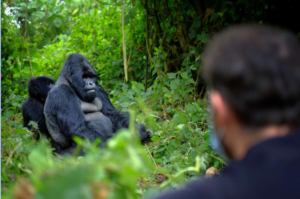
Gorilla trekking is the highlight of any Rwanda safari.
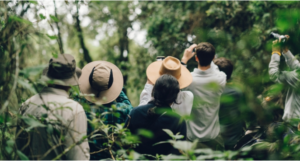
Visitors hike through dense forests with experienced guides until they locate a habituated gorilla family. Once found, guests spend one magical hour observing these gentle giants in their natural habitat.
Watching gorillas feed, play, groom each other, and care for their young creates memories that last a lifetime.
Only a limited number of permits are issued daily, ensuring minimal disturbance to the animals.
2. Akagera National Park
Akagera National Park offers the classic African safari experience.
Located in eastern Rwanda, the park features savannah grasslands, lakes, wetlands, rolling hills, and woodlands.
Following successful conservation projects, Akagera once again boasts the Big Five.
Wildlife
Visitors may encounter:
- Lions
- Leopards
- Elephants
- Rhinos
- Buffaloes
- Giraffes
- Zebras
- Hippos
- Crocodiles
- Hyenas
- Antelopes
Game drives are available during both daytime and nighttime.
Boat and Congo safaris on Lake Ihema provide opportunities to observe hippos, crocodiles, and hundreds of bird species.
3. Nyungwe Forest National Park
Nyungwe Forest is one of Africa’s oldest rainforests.
It is famous for chimpanzee trekking and exceptional biodiversity.
Activities
- Chimpanzee trekking
- Canopy walkway
- Guided forest hikes
- Waterfall trails
- Birdwatching
- Monkey tracking
The forest is home to more than 13 species of primates.
Wildlife Found in Rwanda
Although gorillas are the country’s biggest attraction, Rwanda’s wildlife extends far beyond them.
Common animals include:
- Mountain gorillas
- Golden monkeys
- Chimpanzees
- Forest elephants
- Lions
- Leopards
- Rhinos
- Buffaloes
- Zebras
- Giraffes
- Hippos
- Crocodiles
- Bushbucks
- Topis
- Warthogs
- Serval cats
Rwanda also hosts over 700 bird species, making it a paradise for bird enthusiasts.
Best Time to Visit Rwanda
Rwanda and Kenya safaris are year-round destinations, but certain seasons offer better safari conditions.
Dry Seasons
- June to September
- December to February
Advantages:
- Easier hiking
- Better wildlife viewing
- Less muddy trails
- Comfortable weather
These months are considered the peak safari season.
Rainy Seasons
- March to May
- October to November
Advantages:
- Lush green scenery
- Fewer tourists
- Better photography
- Lower accommodation rates
Although trekking is more challenging, many travelers enjoy the quieter atmosphere.
Gorilla Trekking Rules
To protect endangered gorillas, visitors must follow strict guidelines.
These include:
- Keep a safe distance.
- Do not touch gorillas.
- No flash photography.
- Stay with your guide.
- Remain quiet.
- Do not visit if you are sick.
- Spend no more than one hour with the gorilla family.
These regulations help ensure the long-term survival of mountain gorillas.
Luxury Safari Lodges
Rwanda offers some of Africa’s finest safari accommodations.
Options include:
- Luxury eco-lodges
- Boutique safari camps
- Forest lodges
- Mid-range hotels
- Budget guesthouses
Many lodges provide spectacular volcano views, gourmet dining, spa facilities, and personalized safari experiences.
Cultural Experiences
A Rwanda and Tanzania safaris is about more than wildlife.
Visitors can also explore:
- Traditional villages
- Local dance performances
- Coffee plantation tours
- Handicraft markets
- Cultural museums
- Community tourism projects
Learning about Rwanda’s history and remarkable recovery adds depth to every safari experience.
Sustainable Tourism
Rwanda is recognized as a global leader in conservation.
Tourism revenue supports:
- Gorilla conservation
- Community development
- Education
- Healthcare
- Anti-poaching initiatives
- Habitat restoration
A portion of gorilla trekking permit fees directly benefits nearby communities, encouraging local support for wildlife conservation.
Safari Costs
Rwanda safaris range from budget-friendly to ultra-luxury.
Typical expenses include:
- Gorilla permits
- National park entrance fees
- Accommodation
- Meals
- Transportation
- Guided game drives
- Chimpanzee permits
- Travel insurance
Although Rwanda can be more expensive than some neighboring countries, visitors often consider the exceptional wildlife encounters well worth the investment.
Safari Packing List
Bring the following essentials:
- Waterproof hiking boots
- Rain jacket
- Long trousers
- Long-sleeved shirts
- Insect repellent
- Sunscreen
- Hat
- Camera
- Binoculars
- Day backpack
- Water bottle
- Power bank
- Personal medications
Comfortable clothing suitable for hiking is essential, particularly during gorilla trekking.
Photography Tips
Capture stunning safari memories by following these tips:
- Use natural light.
- Keep a respectful distance from wildlife.
- Carry extra batteries.
- Bring sufficient memory cards.
- Protect equipment from rain.
- Avoid flash photography near animals.
- Be patient for the perfect shot.
Early morning and late afternoon offer the best lighting conditions.
Safety During Rwanda Safaris
Rwanda is considered one of Africa’s safest travel destinations.
General safety tips include:
- Follow park regulations.
- Stay with guides.
- Drink bottled water.
- Secure valuables.
- Respect wildlife.
- Purchase travel insurance.
- Follow local customs.
Professional guides ensure visitors enjoy safe and memorable safari experiences.
Sample 5-Day Rwanda Safari Itinerary
Day 1
- Arrive in Kigali
- City tour
- Visit cultural attractions
Day 2
- Transfer to Volcanoes National Park
- Relax at lodge
Day 3
- Gorilla trekking
- Community cultural visit
Day 4
- Golden monkey trekking
- Scenic drive
Day 5
- Return to Kigali
- Departure
Travelers with additional time often combine Volcanoes National Park with Akagera or Nyungwe Forest.
Tips for Planning Your Rwanda Safari
- Book gorilla permits months in advance.
- Travel during the dry season if possible.
- Pack lightweight waterproof clothing.
- Choose experienced safari operators.
- Allow time to explore Kigali.
- Respect wildlife and local communities.
- Carry cash for small purchases.
- Keep your passport accessible.
Good planning ensures a smooth and unforgettable adventure.
Key Takeaways
- Rwanda is one of Africa’s premier safari destinations.
- Gorilla trekking is the country’s most iconic wildlife experience.
- Volcanoes, Akagera, and Nyungwe National Parks offer diverse safari adventures.
- Rwanda combines luxury tourism with outstanding conservation efforts.
- Visitors can enjoy the Big Five, chimpanzees, golden monkeys, and hundreds of bird species.
- Dry seasons provide the best trekking conditions.
- Sustainable tourism helps protect wildlife and supports local communities.
- Rwanda is one of the safest and cleanest countries to visit in Africa.
Frequently Asked Questions (FAQs)
1. What is Rwanda most famous for?
Rwanda is internationally renowned for mountain gorilla trekking in Volcanoes National Park.
2. How many days are ideal for a Rwanda safari?
A 5 to 7-day itinerary allows visitors to experience gorilla trekking, wildlife safaris, and cultural attractions.
3. Is Rwanda safe for tourists?
Yes. Rwanda is considered one of the safest and most well-organized travel destinations in Africa.
4. When is the best time to visit Rwanda?
The dry seasons from June to September and December to February offer the best safari conditions.
5. Can I see the Big Five in Rwanda?
Yes. Akagera National Park is home to lions, leopards, elephants, rhinos, and buffaloes.
6. Is gorilla trekking difficult?
The trek ranges from moderate to challenging depending on the location of the gorilla family, but experienced guides assist throughout the journey.
7. What should I wear on a gorilla trek?
Wear hiking boots, long trousers, long sleeves, gloves, and a waterproof jacket to protect against vegetation and changing weather.
8. Is Rwanda suitable for luxury safaris?
Absolutely. Rwanda offers world-class luxury lodges, exceptional service, and exclusive wildlife experiences.
Conclusion
Rwanda safaris has earned its place among Africa’s finest safari destinations by offering an extraordinary blend of wildlife, conservation, luxury, and cultural heritage. From unforgettable encounters with endangered mountain gorillas in Volcanoes and Bwindi forest National Park to classic game drives across Akagera’s savannahs and chimpanzee tracking in the ancient Nyungwe Forest, every journey reveals a different side of this remarkable country.
Beyond its breathtaking landscapes and diverse wildlife, Rwanda stands as a global model for sustainable tourism, where visitor experiences directly contribute to conservation and community development. Whether you’re seeking adventure, photography, birdwatching, or a once-in-a-lifetime wildlife encounter, Rwanda delivers an authentic and enriching safari experience.
For travelers looking to explore Africa responsibly while creating unforgettable memories, Rwanda and Uganda safaris offer an exceptional destination that combines natural beauty, world-class hospitality, and meaningful conservation efforts.

