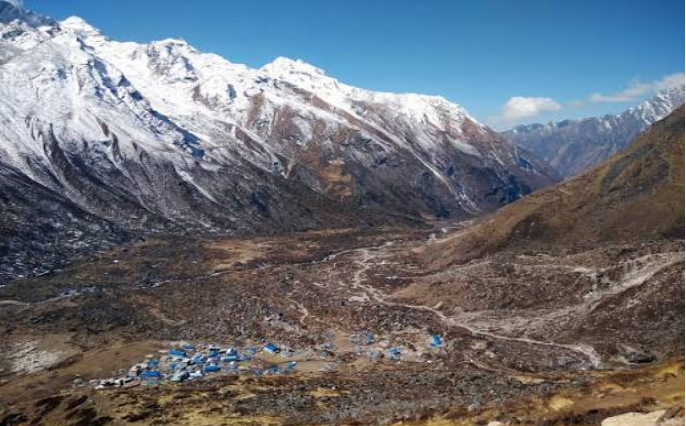
The Langtang Valley Trek is one of Nepal’s most rewarding Himalayan trekking experiences, offering a beautiful combination of mountain scenery, traditional villages, peaceful forests, and local culture. Located north of Kathmandu near the Tibetan border, the Langtang region provides an opportunity to experience the Himalayas without spending several weeks on the trail.
The route takes trekkers through lush forests, terraced hillsides, Tamang villages, alpine meadows, and dramatic mountain landscapes. As the trail climbs higher, the scenery gradually changes into a rugged Himalayan environment surrounded by snow-covered peaks and glaciers.
Before starting the journey, one of the most important questions travelers ask is about Langtang Valley Trek Difficulty. The trek is generally considered moderate, but its difficulty depends on factors such as your fitness level, walking experience, altitude, weather, and the itinerary you choose.
How Difficult Is the Langtang Valley Trek?
The Langtang Valley Trek Difficulty is generally rated moderate. It does not require technical climbing skills or previous mountaineering experience, but trekkers should be prepared for several hours of walking each day.
The trail includes uphill and downhill sections, uneven terrain, stone steps, forest paths, and higher-altitude environments.
For someone who regularly walks, hikes, or exercises, the trek can be manageable with proper preparation. However, people who are not accustomed to multi-day hiking may find some sections physically demanding.
The main challenge is not a single difficult section but the combination of daily walking, elevation gain, changing terrain, and altitude.
What Makes the Langtang Valley Trek Challenging?
Several factors contribute to the overall difficulty of the trek.
1. Steep Ascents and Descents
The trail includes numerous uphill and downhill sections. Some climbs can be sustained, requiring patience and a steady pace.
Descending may seem easier, but long downhill sections can put considerable strain on the knees and legs.
2. Uneven Terrain
Parts of the trail consist of rocky paths, stone steps, forest trails, and uneven surfaces. Good trekking boots with reliable grip can make these sections much more comfortable.
3. Altitude
Altitude becomes increasingly important as you move deeper into the Langtang Valley.
The higher elevation means there is less oxygen available, so you may become tired more quickly than you would at lower elevations.
4. Long Walking Days
Most trekking days involve several hours of walking. Even moderate distances can feel demanding when repeated over several consecutive days.
5. Weather Conditions
Mountain weather can change quickly. Rain, cold temperatures, snow, or poor visibility can make the trail more challenging.
Is Langtang Valley Trek Suitable for Beginners?
Yes, the Langtang Valley Trek can be suitable for beginners who have a reasonable level of fitness.
Previous Himalayan trekking experience is not essential. However, beginners should understand that this is a genuine multi-day mountain trek rather than a simple day hike.
If you can comfortably walk for several hours and handle uphill terrain, you can build a suitable fitness base before the trip.
Beginners may also benefit from choosing a relaxed itinerary rather than trying to complete the route as quickly as possible.
Physical Preparation for the Trek
Good physical preparation can significantly reduce the Langtang Valley Trek Difficulty.
You do not need to become an elite athlete, but improving your endurance, leg strength, and overall fitness before departure is highly recommended.
Walking and Hiking
Regular walking is one of the best ways to prepare. Gradually increase your walking distance and duration.
Weekend hikes can be particularly useful because they help your body become accustomed to spending several hours on your feet.
Stair Training
The Langtang trail contains many uphill and downhill sections, so stair climbing is an effective training exercise.
Practice both going up and down stairs to prepare your legs for the demands of the trail.
Cardiovascular Exercise
Brisk walking, cycling, jogging, swimming, and similar activities can improve cardiovascular endurance.
Better endurance can help you maintain a steady pace during longer trekking days.
Strength Training
Focus particularly on your legs and core.
Useful exercises include:
- Squats
- Lunges
- Step-ups
- Calf raises
- Planks
- Bodyweight exercises
Start gradually and increase the intensity over time.
Practice With a Backpack
Before your trek, take some walks while carrying a light backpack.
This helps you understand how your body responds to carrying essential equipment and allows you to adjust your backpack before the actual journey.
Altitude and the Langtang Valley Trek
Altitude is one of the most important considerations when evaluating Langtang Valley Trek Difficulty.
The route climbs from lower elevations toward Kyanjin Gompa and higher viewpoints such as Kyanjin Ri and Tserko Ri.
As elevation increases, reduced oxygen availability can make normal physical activities feel more difficult.
You may notice increased fatigue, shortness of breath, or the need to walk more slowly.
A sensible approach is to:
- Maintain a slow and steady pace
- Stay properly hydrated
- Eat regular meals
- Avoid rushing uphill
- Take appropriate rest
- Give your body time to adjust
If you experience persistent or worsening symptoms associated with altitude, take them seriously and seek appropriate medical assistance. In serious situations, descending to a lower elevation may be necessary.
How Many Days Does the Langtang Valley Trek Take?
The Langtang Valley Trek commonly takes around 7 to 10 days, depending on your itinerary and transportation arrangements.
Some trekkers choose a shorter schedule, while others add an extra day around Kyanjin Gompa to explore nearby viewpoints.
A longer itinerary can be more comfortable because it allows shorter walking days and greater flexibility.
For beginners, there is generally little benefit in rushing. Taking enough time to enjoy the trail can make the overall experience more rewarding.
Kyanjin Gompa and Optional Hikes
Kyanjin Gompa is one of the major highlights of the Langtang Valley Trek.
Many trekkers spend an additional day in the area to explore nearby viewpoints.
Kyanjin Ri
Kyanjin Ri provides spectacular views of the surrounding mountains and valleys. The climb can be challenging because of the elevation and steep terrain, but the panoramic scenery makes the effort worthwhile.
Tserko Ri
Tserko Ri is another popular viewpoint and generally involves a more demanding climb. It reaches a higher elevation, so proper preparation and a comfortable pace are particularly important.
These optional hikes can increase the physical demands of your itinerary, but they can also provide some of the most memorable views of the entire trek.
Best Time for Langtang Valley Trek
The season you choose can influence the Langtang Valley Trek Difficulty.
Spring: March to May
Spring generally offers increasingly warmer conditions and beautiful rhododendron blooms in the lower forests.
It is a popular season for trekkers who want pleasant weather and colorful landscapes.
Autumn: September to November
Autumn is another popular trekking season. Weather conditions are often favorable, and mountain visibility can be excellent on clear days.
Winter: December to February
Winter brings colder temperatures and possible snow at higher elevations.
The trails can be quieter, but trekkers need appropriate warm clothing and should be prepared for colder conditions.
Monsoon: June to August
Monsoon brings frequent rainfall, muddy paths, and reduced mountain visibility.
Trekking remains possible, but wet conditions can make certain sections more difficult and slippery.
What Equipment Can Make the Trek Easier?
The right equipment can make a significant difference during a multi-day Himalayan trek.
Important items include:
- Quality trekking boots
- Warm base layers
- Waterproof jacket
- Insulated jacket
- Trekking trousers
- Warm gloves and hat
- Comfortable backpack
- Sleeping bag
- Trekking poles
- Sunglasses
- Sunscreen
- Reusable water bottle
- Headlamp
- Basic first-aid supplies
- Personal medications
- Power bank
Choose equipment according to the season and expected weather conditions.
Can a Guide or Porter Help?
A professional guide can make the Langtang Valley Trek more comfortable by assisting with navigation, accommodation, local communication, route planning, and general trekking logistics.
A porter can carry your main luggage, allowing you to walk with a lighter daypack.
While the decision to hire a guide or porter depends on your preferences and experience, professional support can be especially useful for first-time Himalayan trekkers.
Tips for Making the Trek Easier
You can manage the Langtang Valley Trek Difficulty by following a few practical strategies:
- Start physical training several weeks before your trip.
- Increase walking distance gradually.
- Practice climbing and descending stairs.
- Keep your backpack as light as reasonably possible.
- Wear comfortable trekking boots that are already broken in.
- Walk slowly and maintain a consistent pace.
- Stay hydrated throughout the day.
- Eat enough food to maintain your energy.
- Take adequate rest when necessary.
- Pay attention to how your body responds to altitude.
- Check weather conditions and prepare for changes.
- Avoid rushing simply to finish a section early.
Key Points to Remember
Before starting your Langtang Valley Trek, remember these important points:
- The trek is generally considered moderate in difficulty.
- Technical mountaineering skills are not normally required.
- Several hours of walking should be expected each day.
- Steep sections and stone steps can be physically demanding.
- Altitude becomes increasingly important at higher elevations.
- Good physical preparation can make the trek considerably easier.
- Kyanjin Ri and Tserko Ri add extra physical challenges.
- Spring and autumn are generally the most popular trekking seasons.
- Proper footwear and layered clothing are essential.
- A light backpack can make long walking days more comfortable.
- A steady pace is more important than speed.
- Worsening altitude-related symptoms should never be ignored.
Conclusion
The Langtang Valley Trek is a rewarding Himalayan adventure that combines spectacular mountain scenery, traditional villages, beautiful forests, and authentic local culture. Although the route is generally classified as moderate, understanding the Langtang Valley Trek Difficulty is essential for planning a successful and enjoyable journey.
The biggest challenges come from steep climbs, uneven terrain, long walking days, changing weather, and increasing altitude. Fortunately, these challenges can be managed through proper physical preparation, suitable equipment, a sensible itinerary, and a steady walking pace.
You do not need to be an experienced mountaineer to complete the trek. With realistic preparation and respect for the mountain environment, the Langtang Valley Trek can be an achievable and unforgettable experience, offering incredible Himalayan views and meaningful encounters with the communities along the trail.

