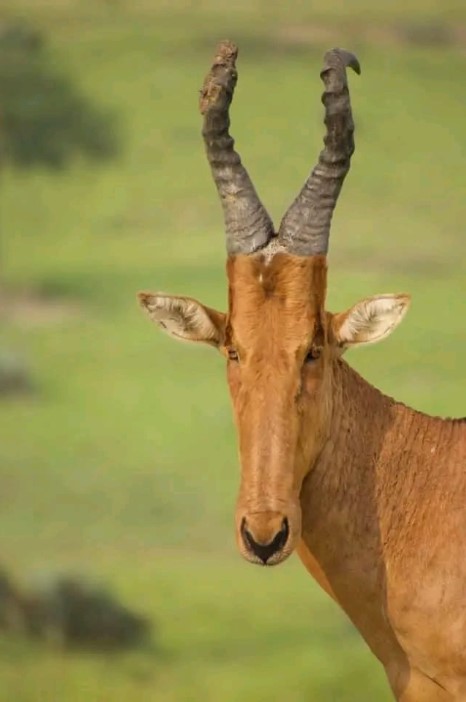
African safari tours offer one of the most thrilling and life-changing travel experiences in the world. From vast savannahs and dense rainforests to dramatic deserts and winding rivers, Africa is home to extraordinary landscapes and unmatched wildlife diversity. An African safari is more than just a vacation—it is a journey into nature’s raw beauty, where travelers witness wildlife roaming freely in their natural habitats.
What Is an African Safari?
An African safari is a guided adventure that allows visitors to explore wildlife-rich regions, usually national parks, game reserves, or conservation areas. Traditionally, safaris involved long journeys by vehicle or on foot, but today they include a variety of options such as luxury lodge safaris, camping safaris, walking safaris, and even hot air balloon safaris. The goal remains the same: to observe animals like lions, elephants, leopards, rhinos, and buffalo—collectively known as the “Big Five.”
Top African Safari Destinations

Africa boasts many world-renowned safari destinations, each offering unique experiences:
Kenya and Tanzania are famous for classic savannah safaris and the Great Migration, where millions of wildebeest and zebras move across the Serengeti and Maasai Mara in search of fresh grazing lands.
South Africa is ideal for first-time safari travelers, offering excellent infrastructure, malaria-free reserves, and private game lodges in places like Kruger National Park.
Uganda and Rwanda are best known for gorilla trekking experiences in lush rainforests, allowing travelers to encounter endangered mountain gorillas up close.
Botswana and Namibia offer exclusive, low-impact safaris with stunning landscapes such as the Okavango Delta and the Namib Desert.
Types of African Safari Tours
African safari tours come in many forms to suit different travel styles and budgets:
- Game Drive Safaris: The most common type, conducted in 4×4 vehicles with experienced guides.
- Walking Safaris: A more intimate experience led by armed rangers, focusing on tracking animals and learning about nature.
- Luxury Safaris: Feature high-end lodges, gourmet dining, private guides, and sometimes charter flights.
- Budget and Camping Safaris: Perfect for adventurous travelers seeking affordability and close contact with nature.
- Photographic Safaris: Designed for wildlife photography enthusiasts, offering specialized vehicles and expert guidance.
Best Time to Go on an African Safari
The best time for African safari tours depends on the destination and the experience you seek. Generally, the dry season (June to October) is ideal for wildlife viewing, as animals gather around water sources and vegetation is thinner. The wet season (November to May) offers lush landscapes, fewer crowds, and excellent birdwatching opportunities, though wildlife can be harder to spot.
Wildlife You Can Expect to See
African safaris provide encounters with some of the world’s most iconic animals. These include lions, elephants, giraffes, zebras, cheetahs, hippos, crocodiles, and countless bird species. Some regions also offer rare sightings of endangered animals like mountain gorillas, African wild dogs, and black rhinos. Each safari drive brings a new surprise, making every experience unique.
Cultural Experiences on Safari
Beyond wildlife, African safari tours often include cultural interactions with local communities. Travelers may visit Maasai villages in Kenya and Tanzania, Batwa communities in Uganda, or San communities in Southern Africa. These experiences provide insight into traditional lifestyles, customs, and conservation efforts, enriching the safari journey.
Why Choose an African Safari Tour?
African safari tours combine adventure, education, relaxation, and cultural discovery. They allow travelers to disconnect from busy modern life and reconnect with nature. Safaris also support conservation and local economies by promoting responsible tourism and wildlife protection.
Whether you are a solo traveler, a couple on a honeymoon, or a family seeking adventure, African safaris can be customized to match your interests and comfort level.
Tips for Planning Your Safari
- Choose a reputable tour operator with experienced guides.
- Pack light but include essentials like binoculars, sunscreen, and neutral-colored clothing.
- Follow wildlife safety rules and respect nature.
- Consider travel insurance and necessary vaccinations.

